
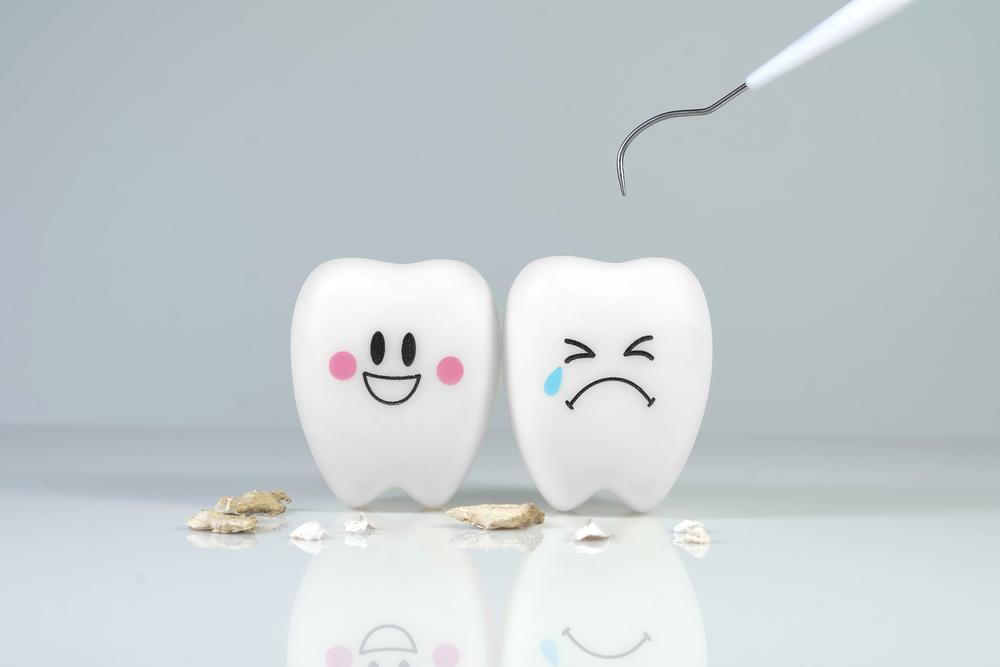
As a family dentist here in Pleasanton, I've had many patients ask what the difference is between plaque and tartar and why both matter so much when it comes to your oral health. The truth is, they're more than just buildup on your teeth, they can directly lead to gum disease, tooth decay, and even tooth loss if left untreated. Understanding how plaque and tartar form, what they do to your teeth and gums, and how to prevent them is a key part of keeping your mouth healthy.
Every day, a soft, sticky film of bacteria called plaque forms on your teeth. It's completely normal; plaque starts to build up within hours of brushing. If it's not removed with regular brushing and flossing, it hardens into tartar, which is a yellow or brown mineral buildup that bonds to the tooth surface and can only be removed with professional dental tools. Once tartar forms, it creates a safe place for bacteria to thrive, leading to inflammation, bleeding gums, and eventually bone loss around the teeth. These are issues I work hard to help my patients avoid.
Plaque and tartar don't just affect your teeth and they can affect your entire mouth, including the health of your gums and the bone that supports your teeth. That's why it's so important to understand how they form, how to remove them, and how they can be kept under control. I take the time to go over this with each of my patients during cleanings and exams because prevention is always better than treatment.
Let me explain the key differences between plaque and tartar, how they develop, and what they can do to your oral health if they're not properly managed.
What Is Plaque?
Plaque is a biofilm of bacteria that forms on the surface of your teeth and along your gumline. It develops when the natural bacteria in your mouth mix with food particles and saliva. Plaque is colorless or pale yellow, and if you run your tongue along your teeth and feel a fuzzy or slippery texture, that's usually plaque.
The problem with plaque is that the bacteria inside it feed on sugars and starches from your diet and produce acids. These acids erode your enamel over time, which can lead to cavities. They also irritate your gums, which causes inflammation and bleeding—this early stage of gum disease is known as gingivitis.
How Tartar Forms
When plaque isn't removed thoroughly with brushing and flossing, it begins to harden. This hardened material is called tartar, or calculus. It usually forms at the gumline and behind the front teeth, the areas where brushing might not be as effective. Once tartar forms, it can no longer be removed with a toothbrush. That's where professional cleanings come in.
Tartar creates a rough surface on the teeth, which gives bacteria even more places to grow. This worsens inflammation in the gums and can progress to periodontitis, a more severe form of gum disease that damages the bone and tissue supporting your teeth.
Gum Disease And Bone Loss
As tartar builds up beneath the gumline, it separates the gums from the teeth. This causes the gums to pull away and form pockets that trap more plaque and bacteria. Eventually, this leads to tissue destruction and bone loss. If not treated, teeth may become loose and need to be removed.
The symptoms of advanced gum disease aren't always painful. Many patients don't realize they have a problem until they notice their gums bleeding regularly, their teeth shifting, or chronic bad breath. That's why routine dental cleanings and exams are so important—we can catch and reverse early problems before they turn into permanent damage.
How To Prevent Plaque And Tartar Buildup
You can't stop plaque from forming, but you can keep it under control. The most effective approach is brushing twice daily with a fluoride toothpaste, flossing every day, and scheduling dental cleanings at least twice a year. During your visit, I will remove any tartar that has developed and assess your gums for signs of inflammation or disease.
Some people are more prone to tartar buildup due to genetics, diet, or medication. If that's the case, I may recommend more frequent cleanings or specific at-home tools to help.
Good home care and regular dental visits go a long way in protecting your teeth and gums for life. When you understand what plaque and tartar are doing behind the scenes, you can take the right steps to stay ahead of them.
FAQs About Plaque, Tartar, And Gum Health
What Causes Plaque To Form So Quickly?
Plaque forms naturally when bacteria in your mouth interact with sugars and carbohydrates from the food you eat. Even within a few hours of brushing, new plaque begins to develop. That's why it's important to brush twice a day and floss regularly. It's not about perfection—it's about consistency.
Can Tartar Be Removed At Home?
No, once plaque hardens into tartar, it becomes too firmly attached to the tooth to be removed with brushing or flossing. Trying to scrape tartar off at home with sharp objects can damage your enamel or injure your gums. Tartar should only be removed by a licensed dental professional during a cleaning.
Is Bleeding While Brushing A Sign Of Gum Disease?
Yes, bleeding gums often indicate inflammation caused by plaque buildup at the gumline. This is an early stage of gum disease called gingivitis. With proper brushing, flossing, and a professional cleaning, gingivitis is usually reversible. If the bleeding persists, it's important to come in so we can evaluate your gum health.
What Happens If Plaque And Tartar Aren't Treated?
Untreated plaque and tartar can lead to tooth decay, gum recession, bone loss, and eventually tooth loss. The longer tartar remains on your teeth and beneath your gums, the more damage it causes. Regular dental cleanings stop this progression and protect your long-term oral health.
Does Tartar Affect The Appearance Of My Smile?
Yes, tartar is typically yellow or brown and can form around the gumline or between teeth. It makes teeth appear discolored and can contribute to chronic bad breath. Once tartar is removed, many patients notice an immediate improvement in how their smile looks and feels.
How Often Should I Get My Teeth Cleaned?
For most people, twice a year is recommended. However, if you're prone to tartar buildup, have a history of gum disease, or wear braces or appliances, I may recommend more frequent cleanings. I'll always personalize your care based on what your teeth and gums need.
Protect Your Smile At Mona Gokani, DDS
If you're concerned about plaque, tartar, or bleeding gums, it's time to take control of your oral health. At my Pleasanton office, I provide gentle, thorough cleanings and education to help you maintain a healthy, beautiful smile. Whether you're due for a checkup or need treatment for gum disease, I'm here to help.
Contact our Pleasant dental clinic, Mona Gokani, DDS, at (925) 462-1464 to schedule an examination. At Mona Gokani, DDS, I care for families in Pleasanton and the surrounding Pleasanton, California area. Let's work together to protect your teeth and gums today and into the future.